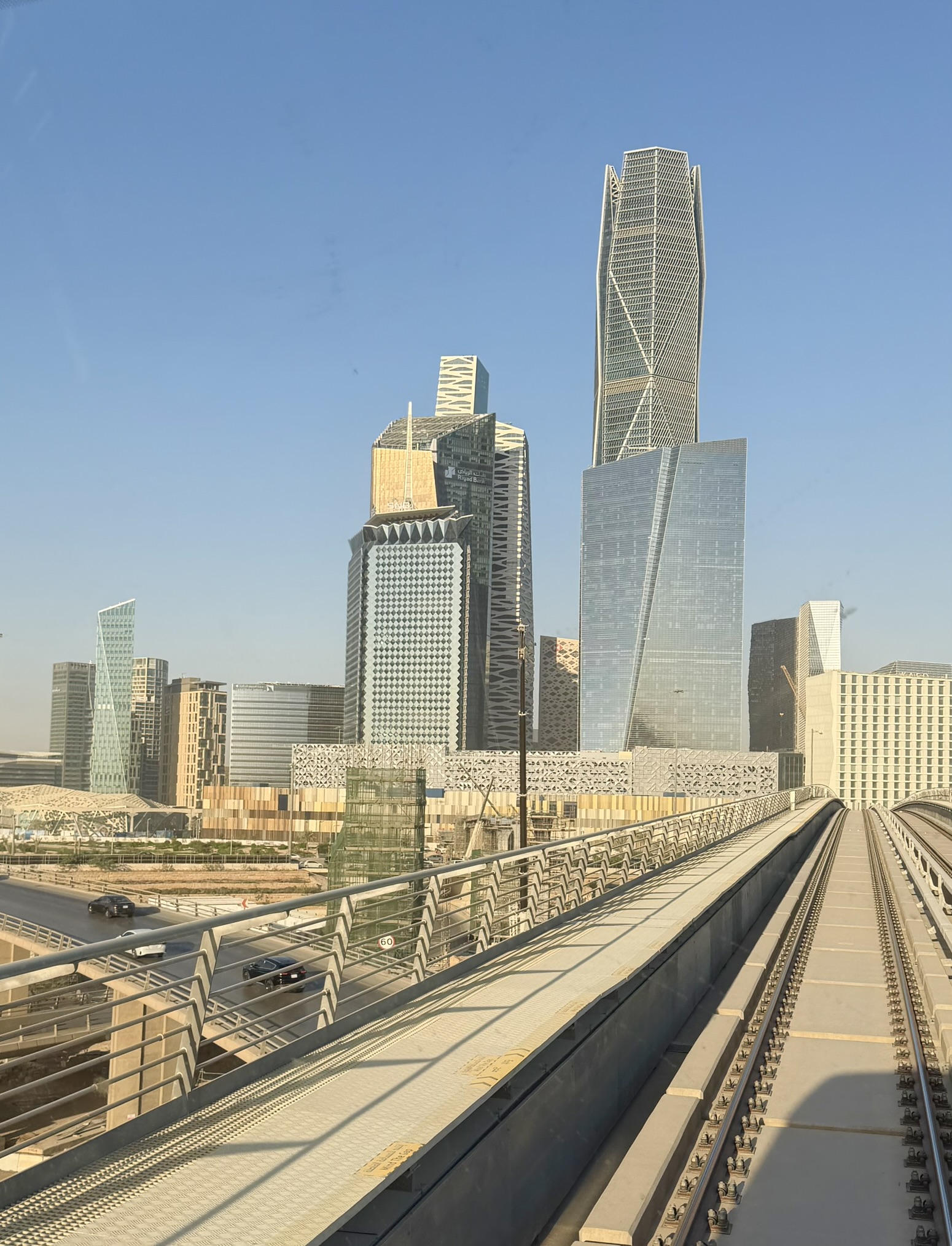
Riyadh is not a city you ease into—it reveals itself quickly, almost insistently. Glass towers rise out of the desert with a kind of quiet confidence, reshaping the skyline year by year. What was once a low-rise capital is now a vertical statement of ambition, where cranes still dot the horizon and entire districts feel newly imagined. It's a city in motion, one that seems determined to redefine itself as a global hub while still anchored in its own cultural rhythm.
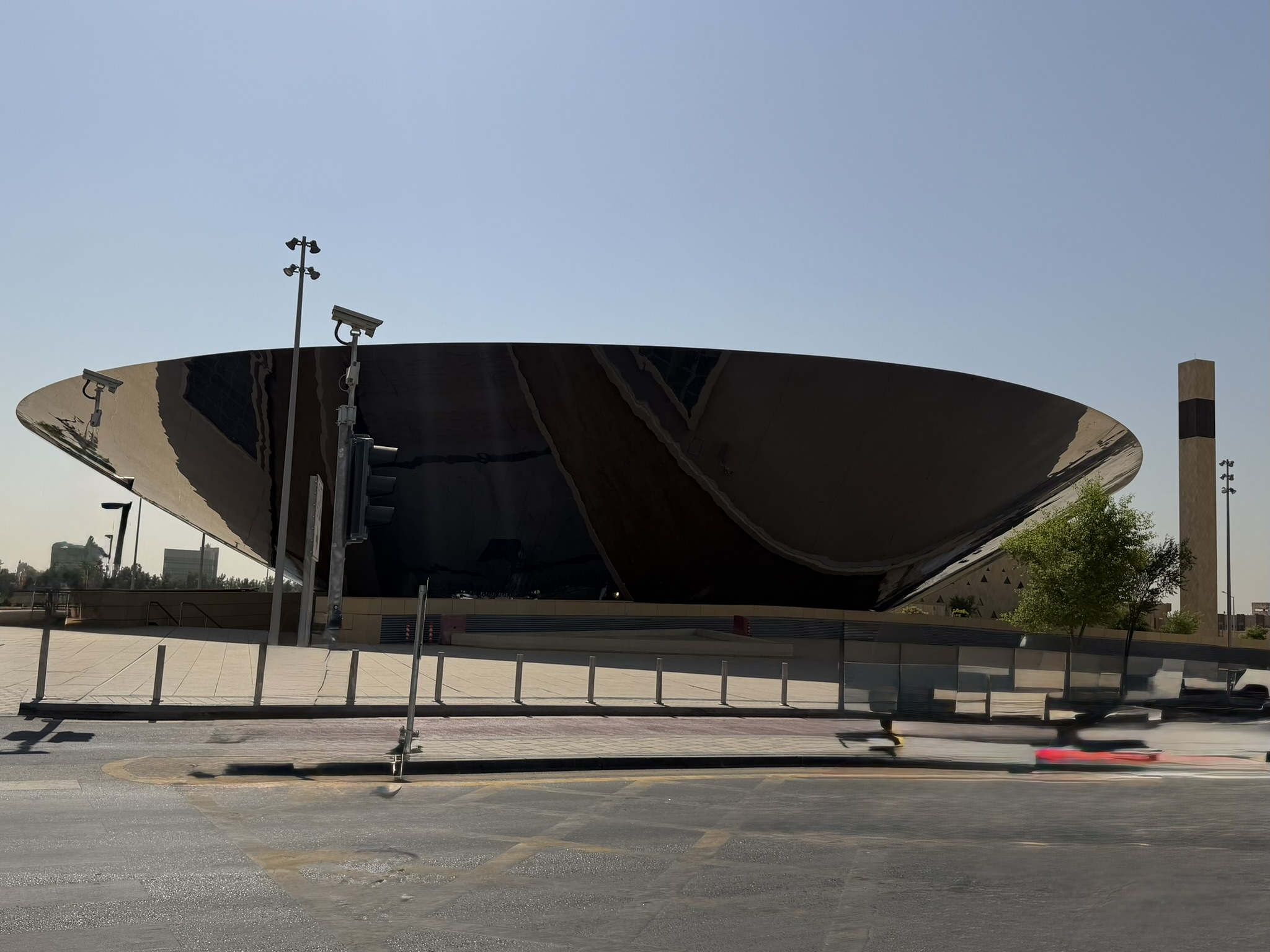
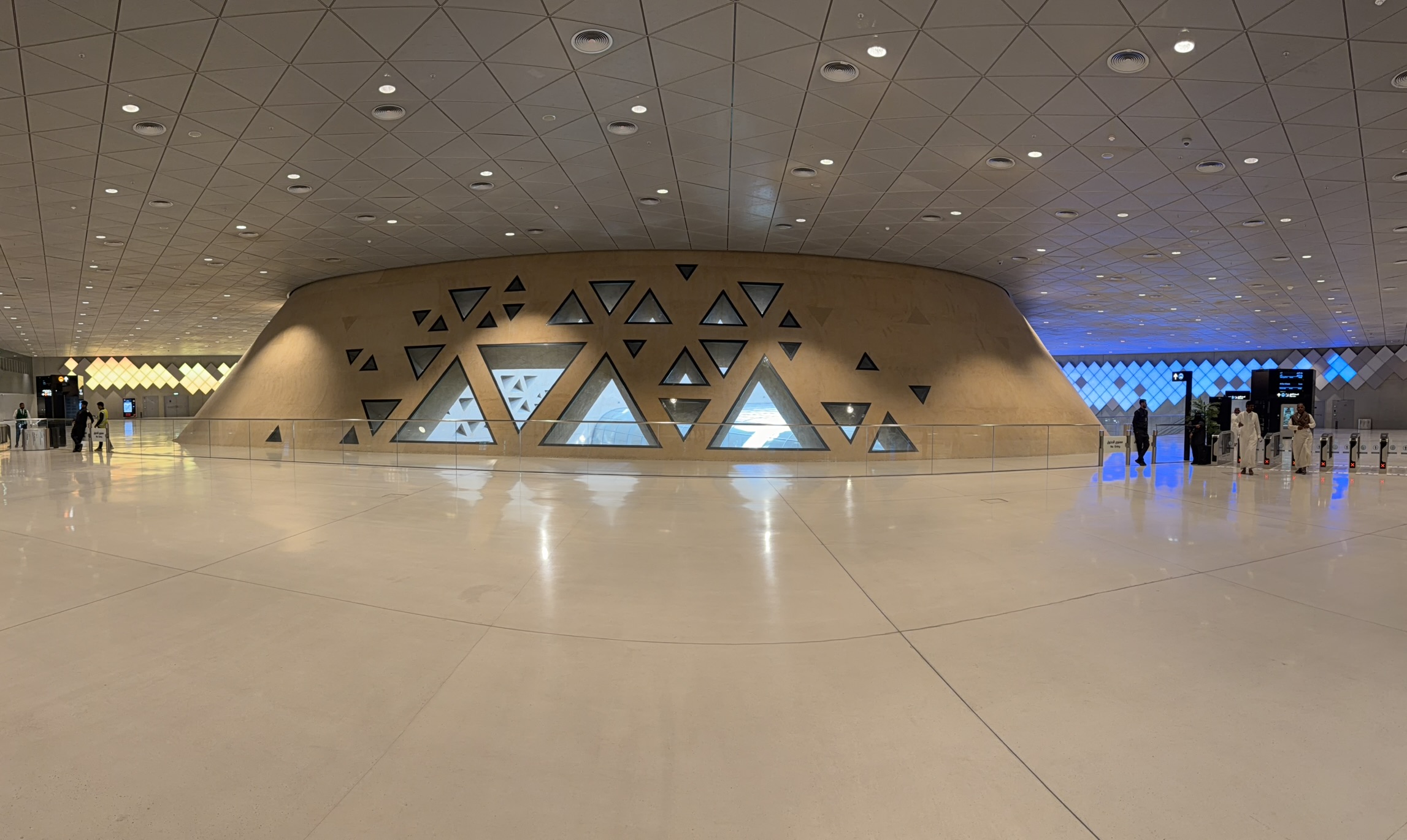
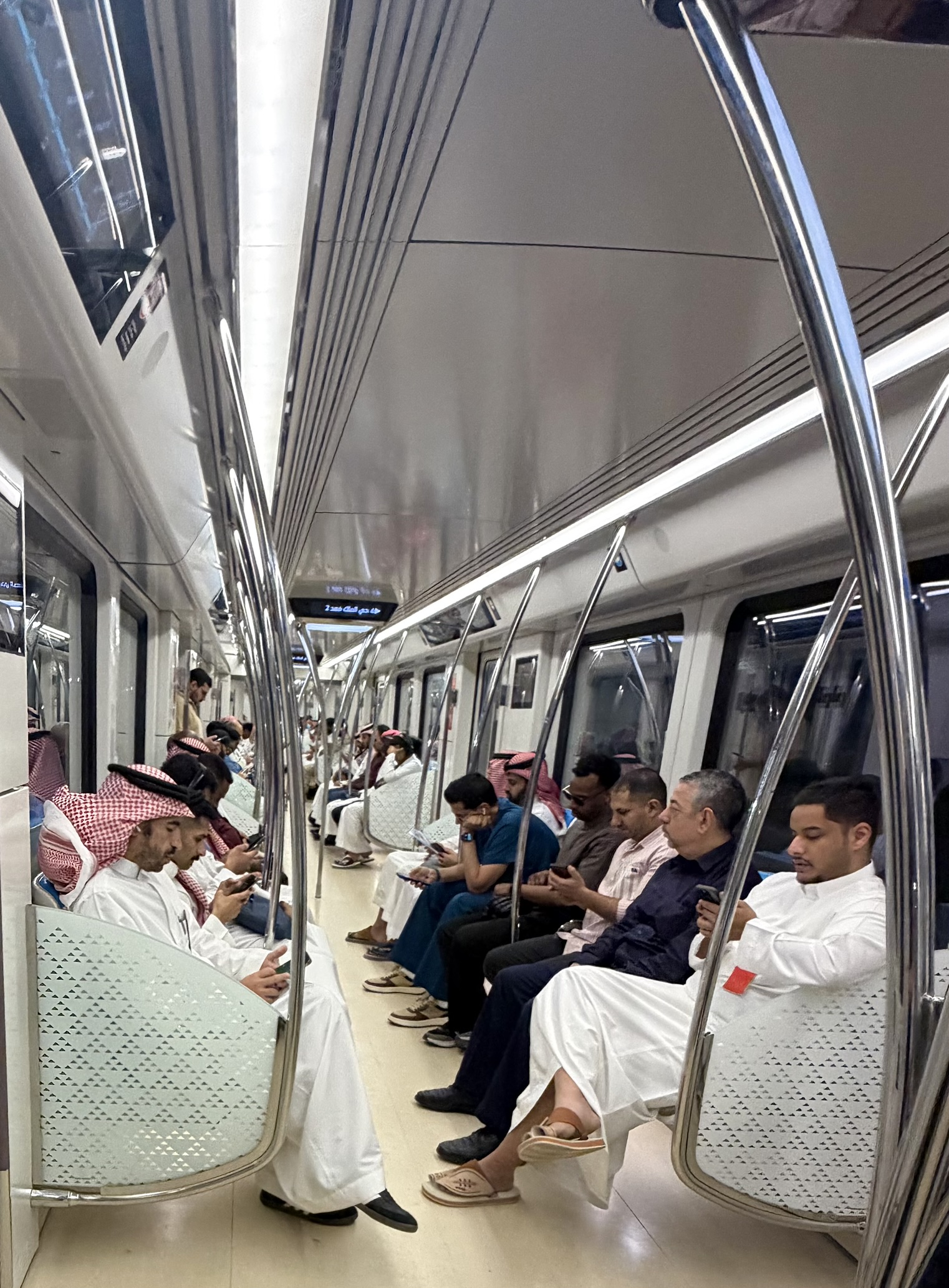
Nowhere is that contrast more visible than in Riyadh's metro system. Some of the stations look like they've landed from the future—sleek, aerodynamic structures that resemble spaceships more than transit hubs. Step inside, and the design continues: expansive, minimalist, almost cinematic in its execution. And yet, within this ultra-modern setting, tradition quietly persists. In the metro cars, you'll notice women choosing to board the "family" sections rather than the designated "single" cars, which are largely occupied by men. It's a subtle but telling moment—where cutting-edge infrastructure meets deeply ingrained social norms.
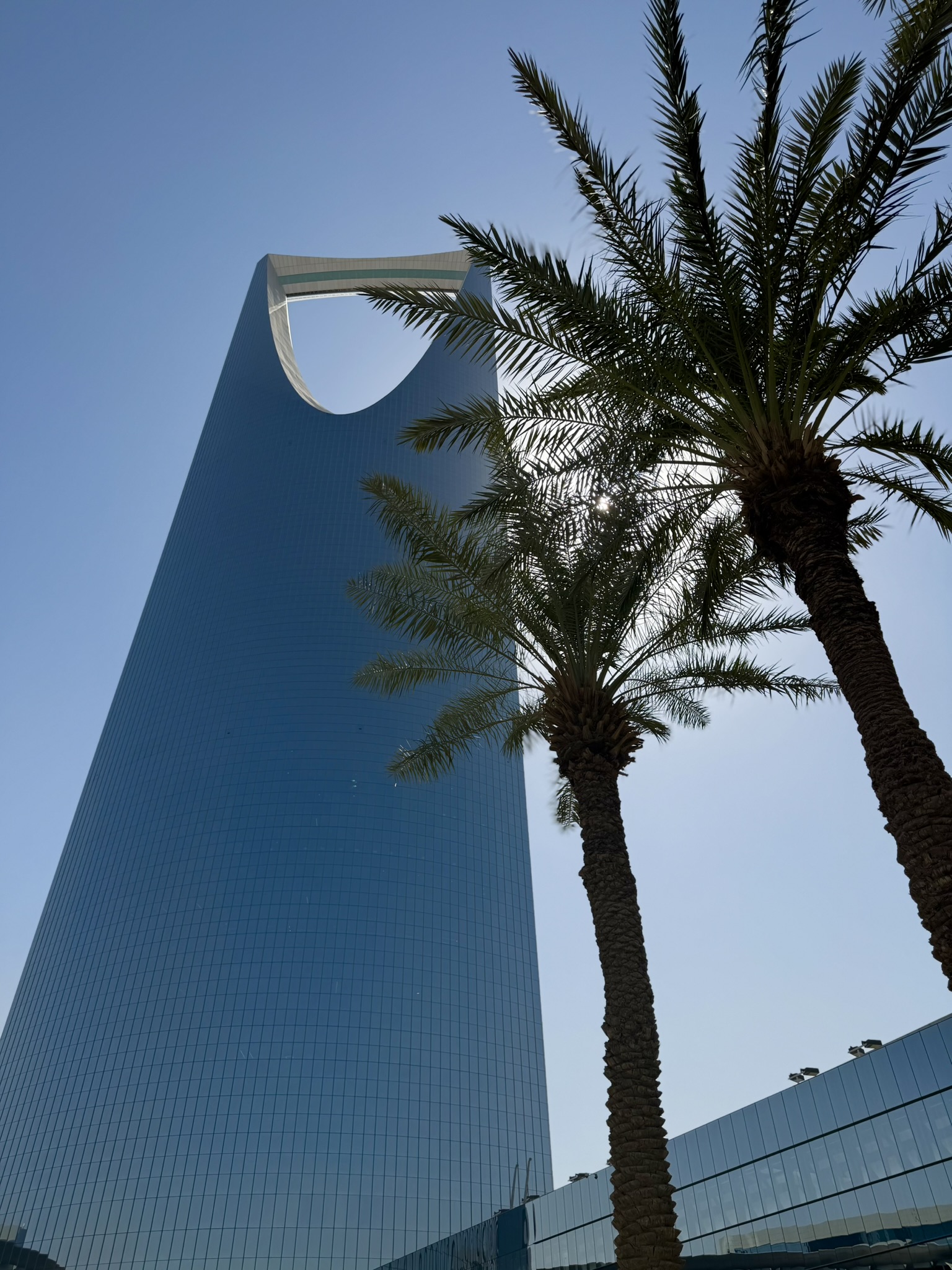
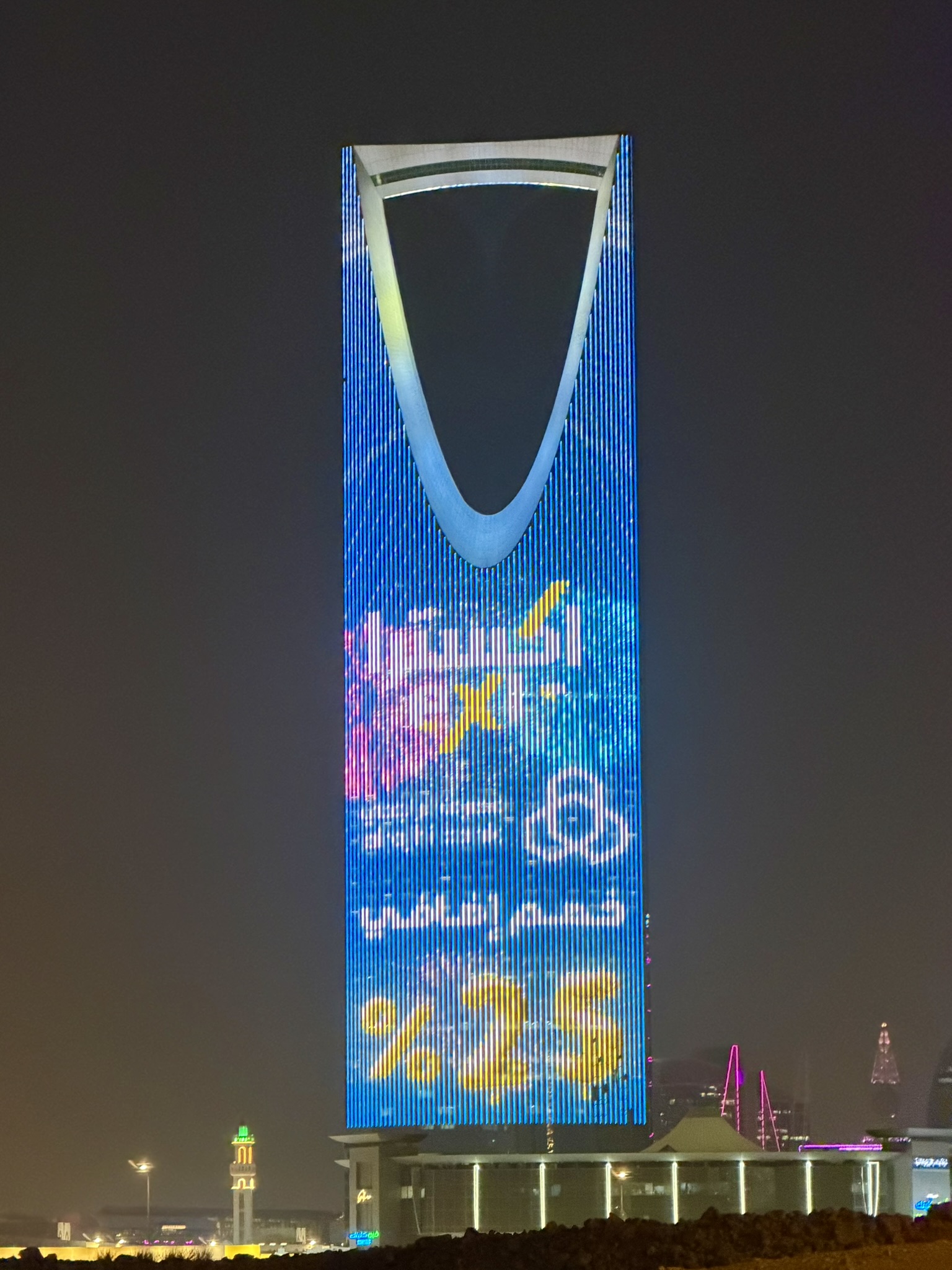
Then there's the Kingdom Centre, perhaps Riyadh's most recognizable landmark. Its distinctive silhouette—an elegant arc cut through its upper frame—has become synonymous with the city itself. For visitors, it's both a symbol and a vantage point. Head up to the Sky Bridge, and Riyadh stretches out in every direction, a vast urban grid punctuated by light and movement. It's here that the scale of the city becomes fully apparent—endless, ordered, and still expanding.
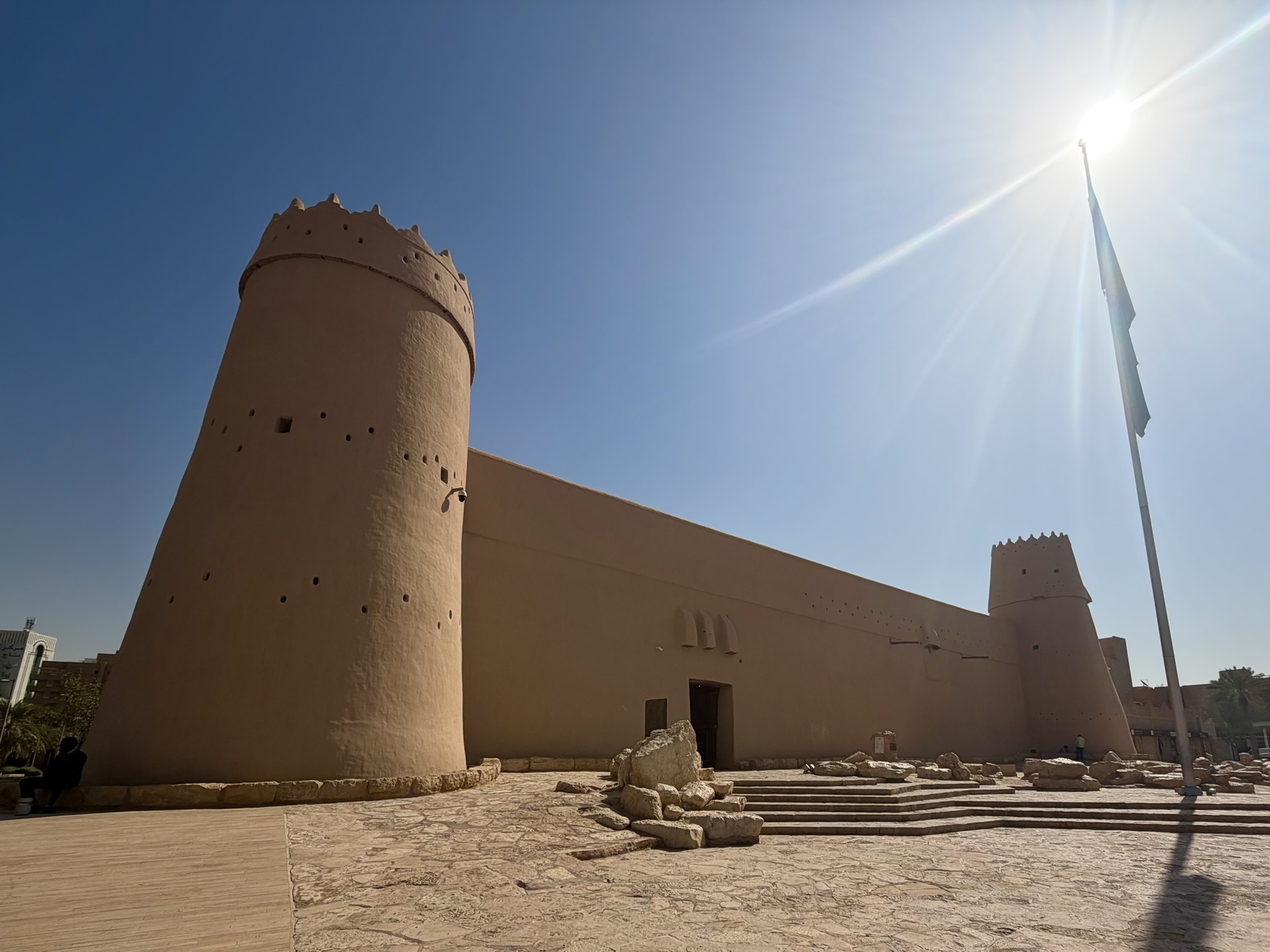
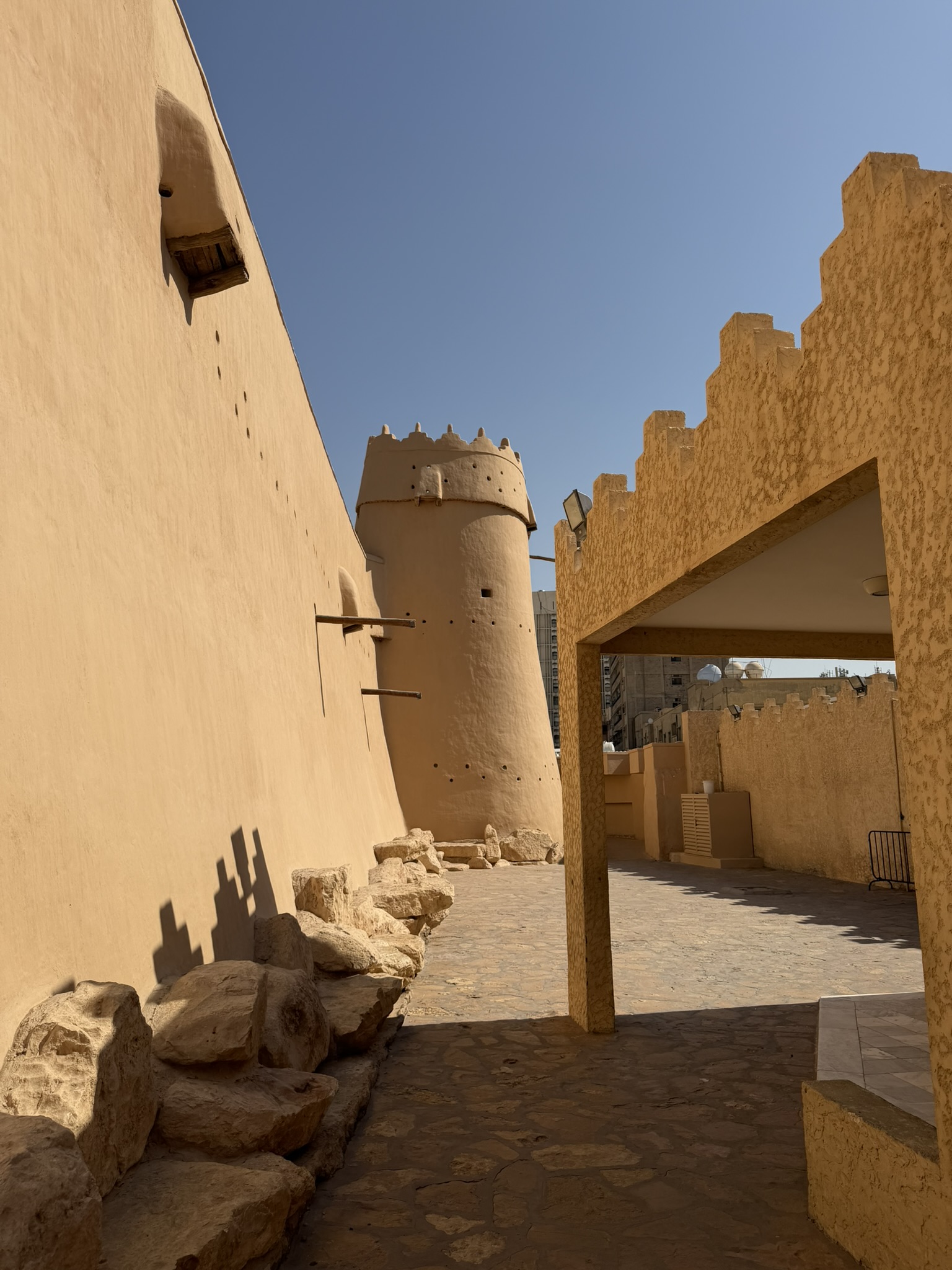
But Riyadh isn't entirely defined by its modernity. Tucked within the city is Al Masmak Palace, one of the few remaining windows into its past. Built from mudbrick and steeped in history, it stands in quiet contrast to the surrounding cityscape. This was the site of a pivotal moment in Saudi Arabia's formation, and walking through its thick walls feels like stepping into a different era. In a city racing toward the future, places like Al Masmak serve as rare and important anchors to its origins.
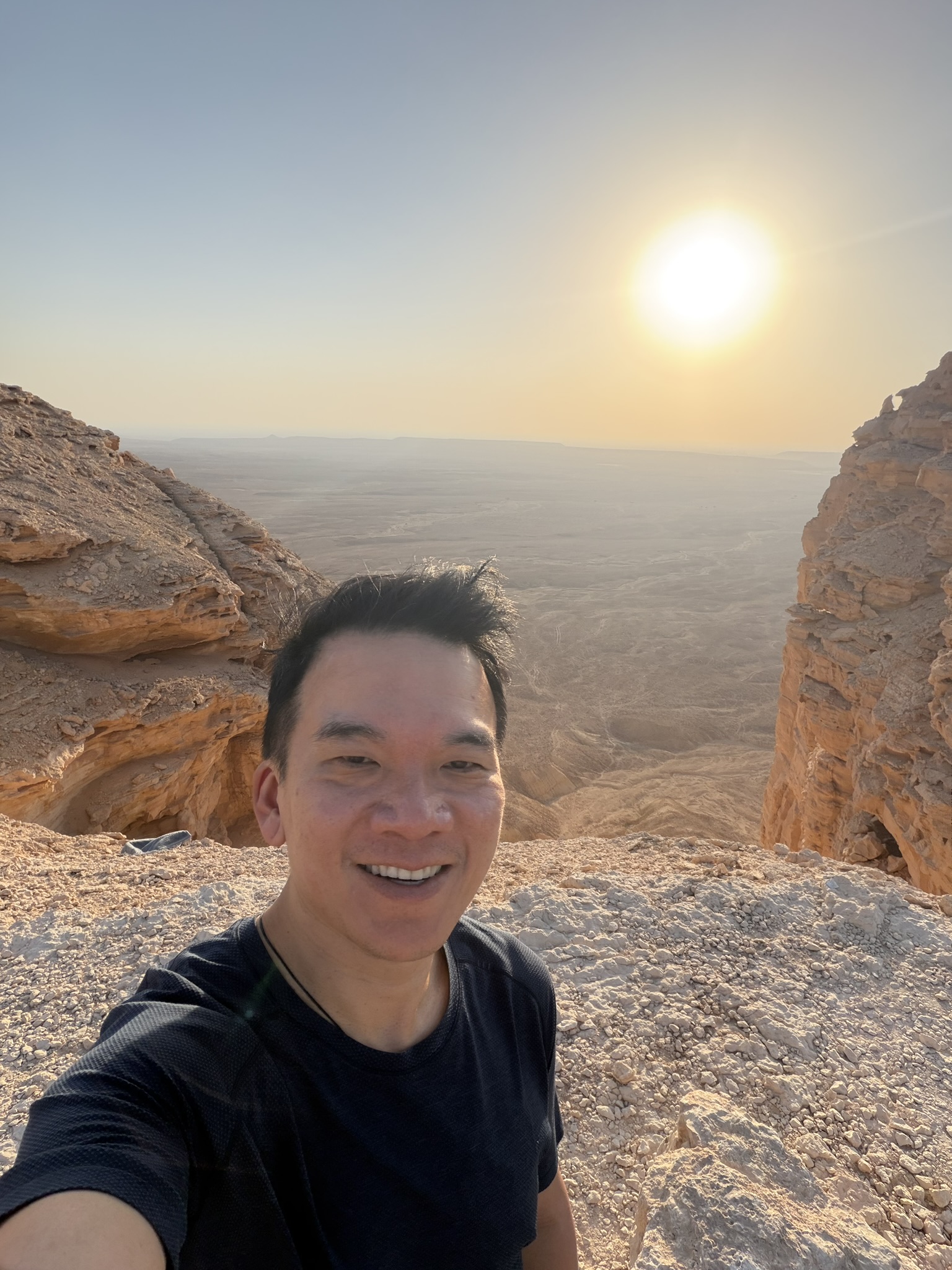
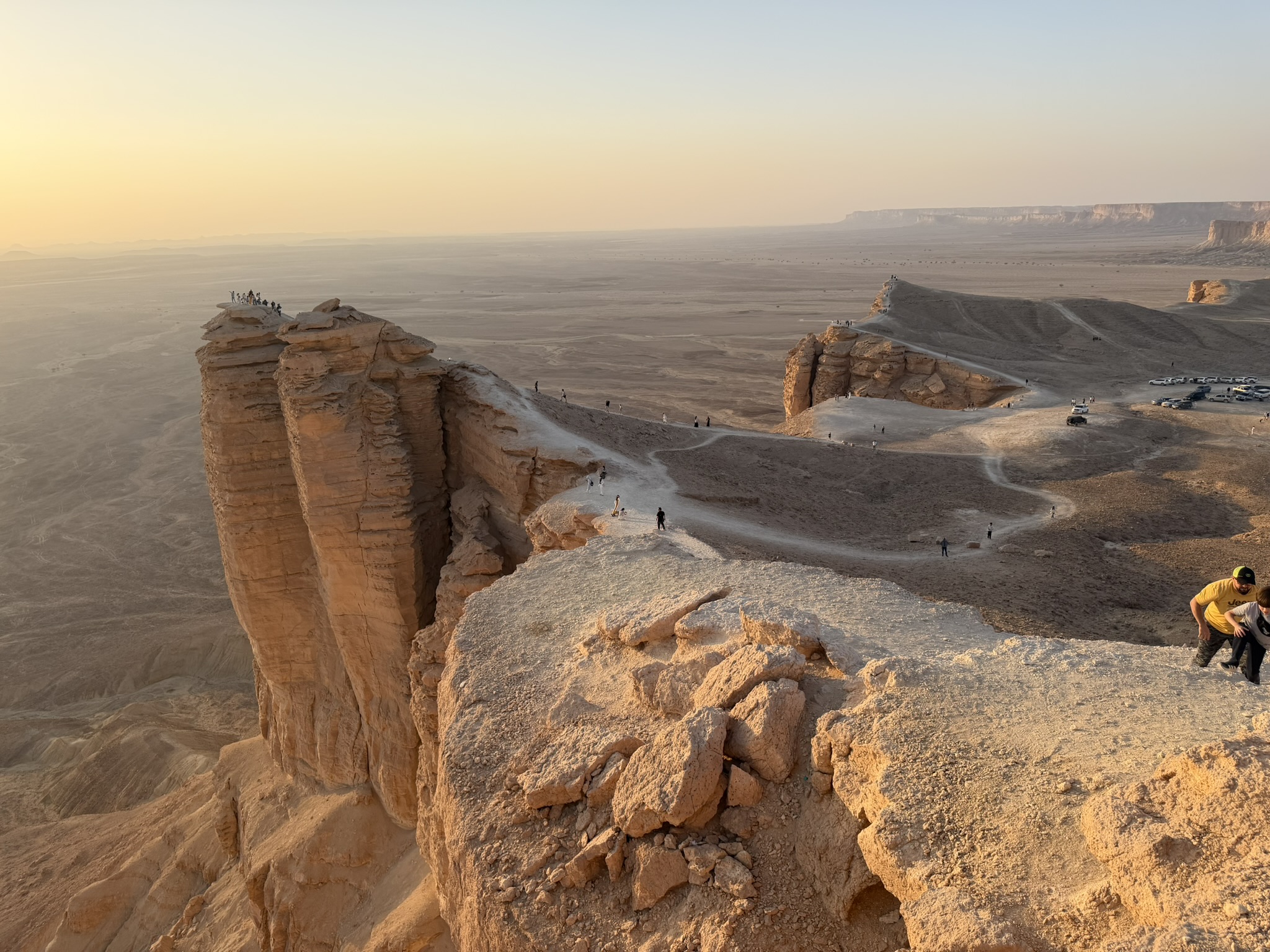
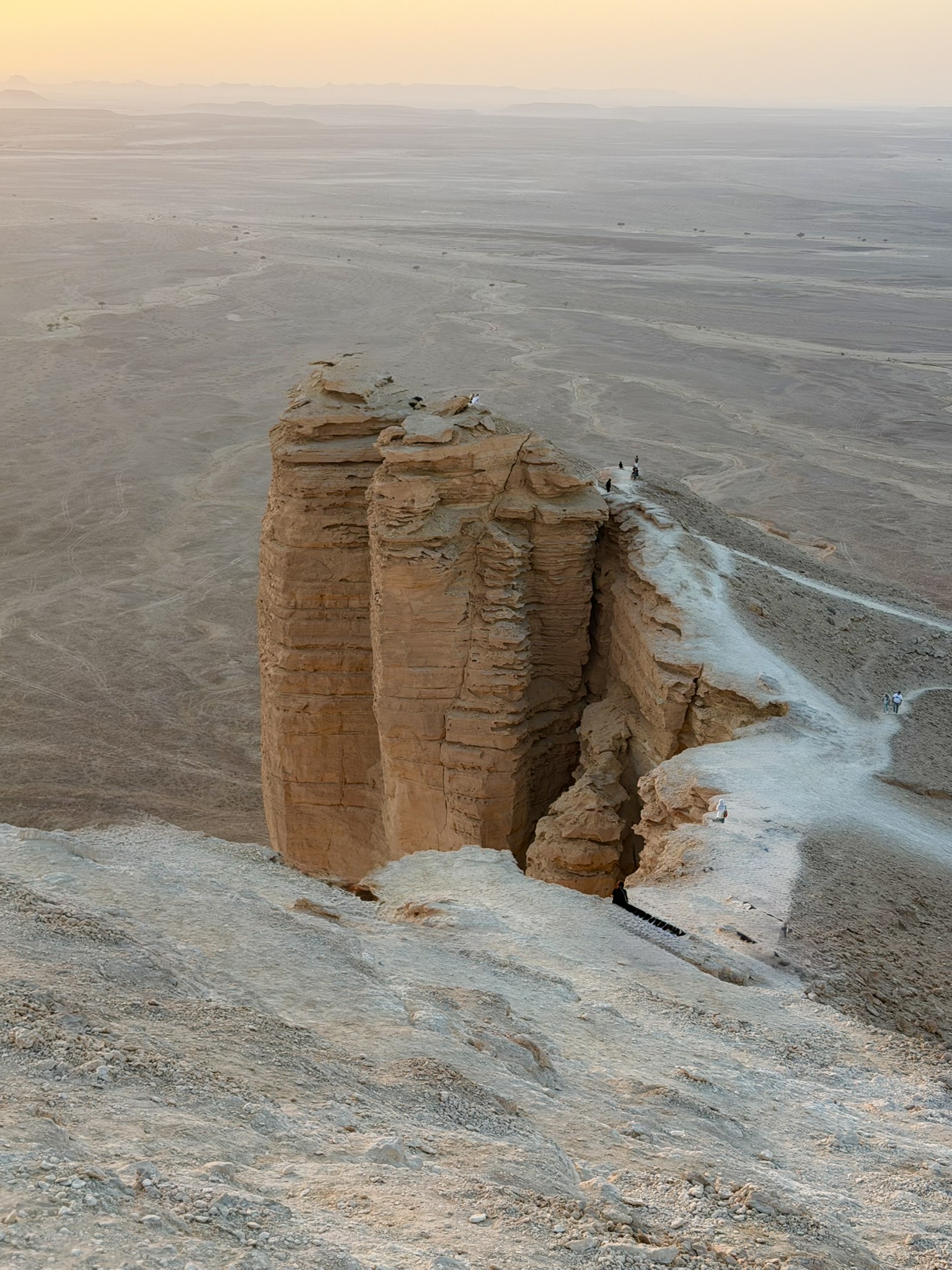
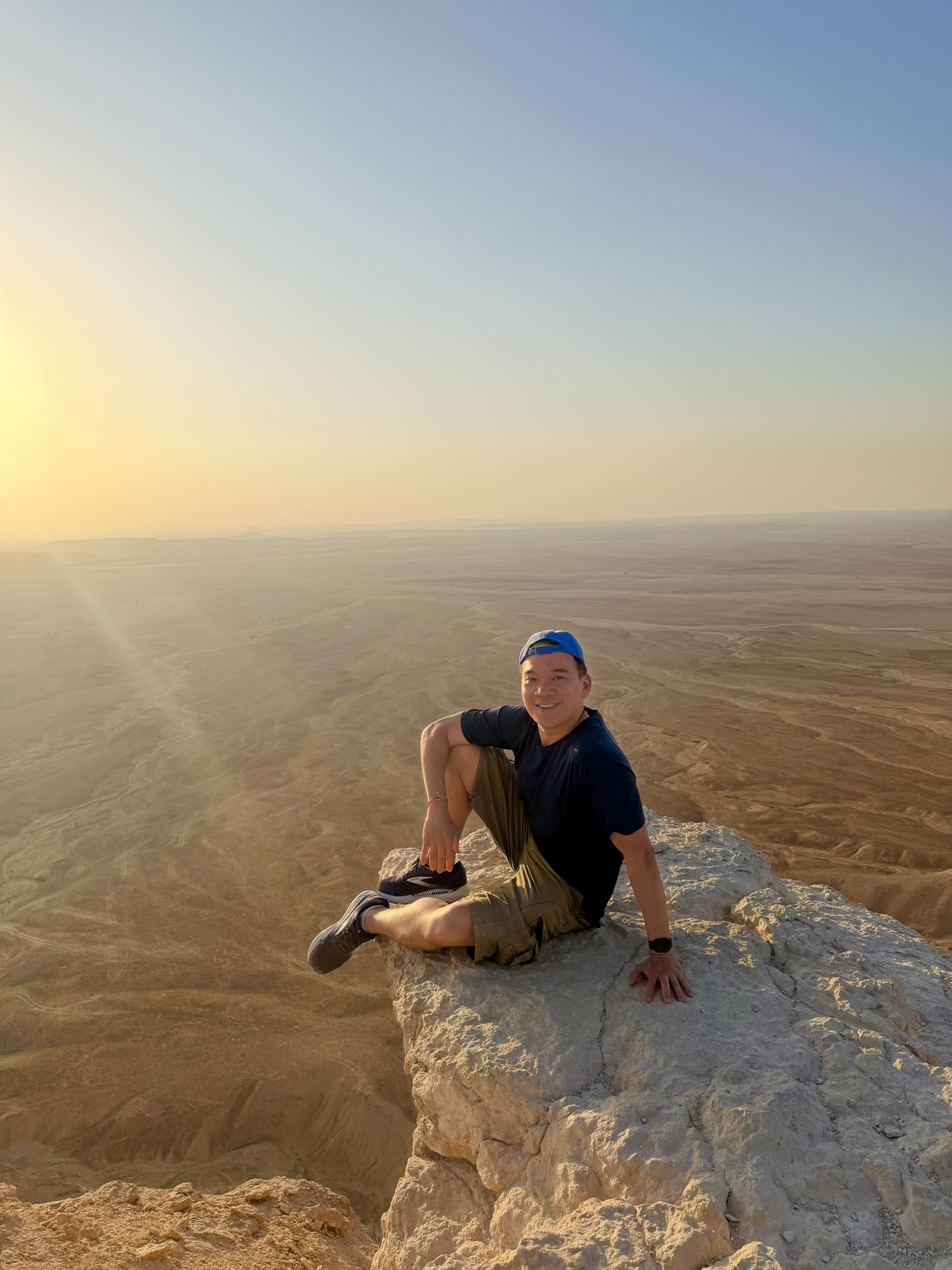
And then, just when Riyadh begins to feel overwhelmingly urban, the landscape opens up in a way that resets everything. A short drive out of the city brings you to the Edge of the World—one of the most dramatic natural sights in the region. Here, the earth seems to fall away into an endless desert plain, cliffs stretching into the distance with no visible boundary. The silence is striking. There are no skyscrapers, no traffic—just wind, rock, and horizon.
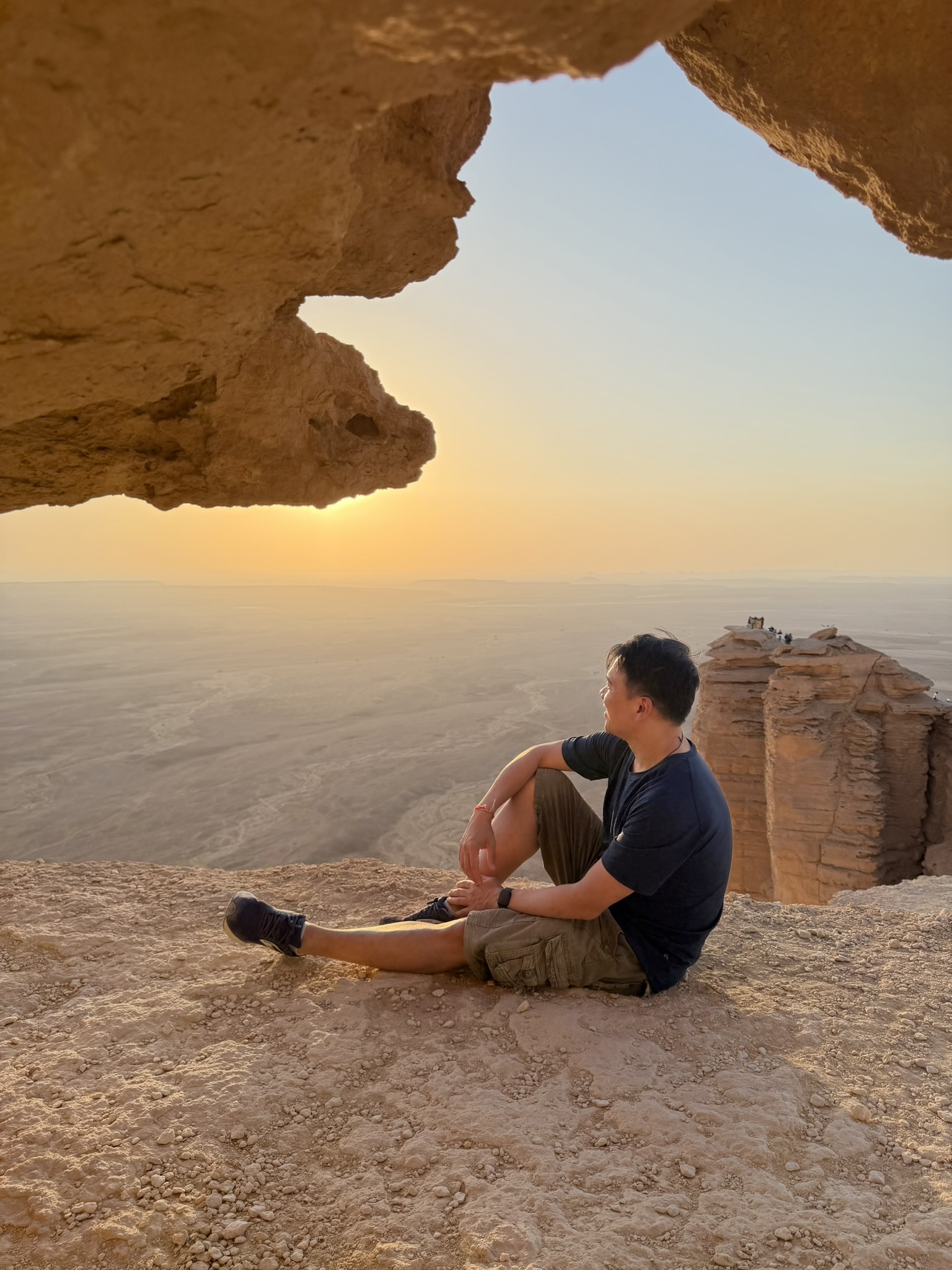
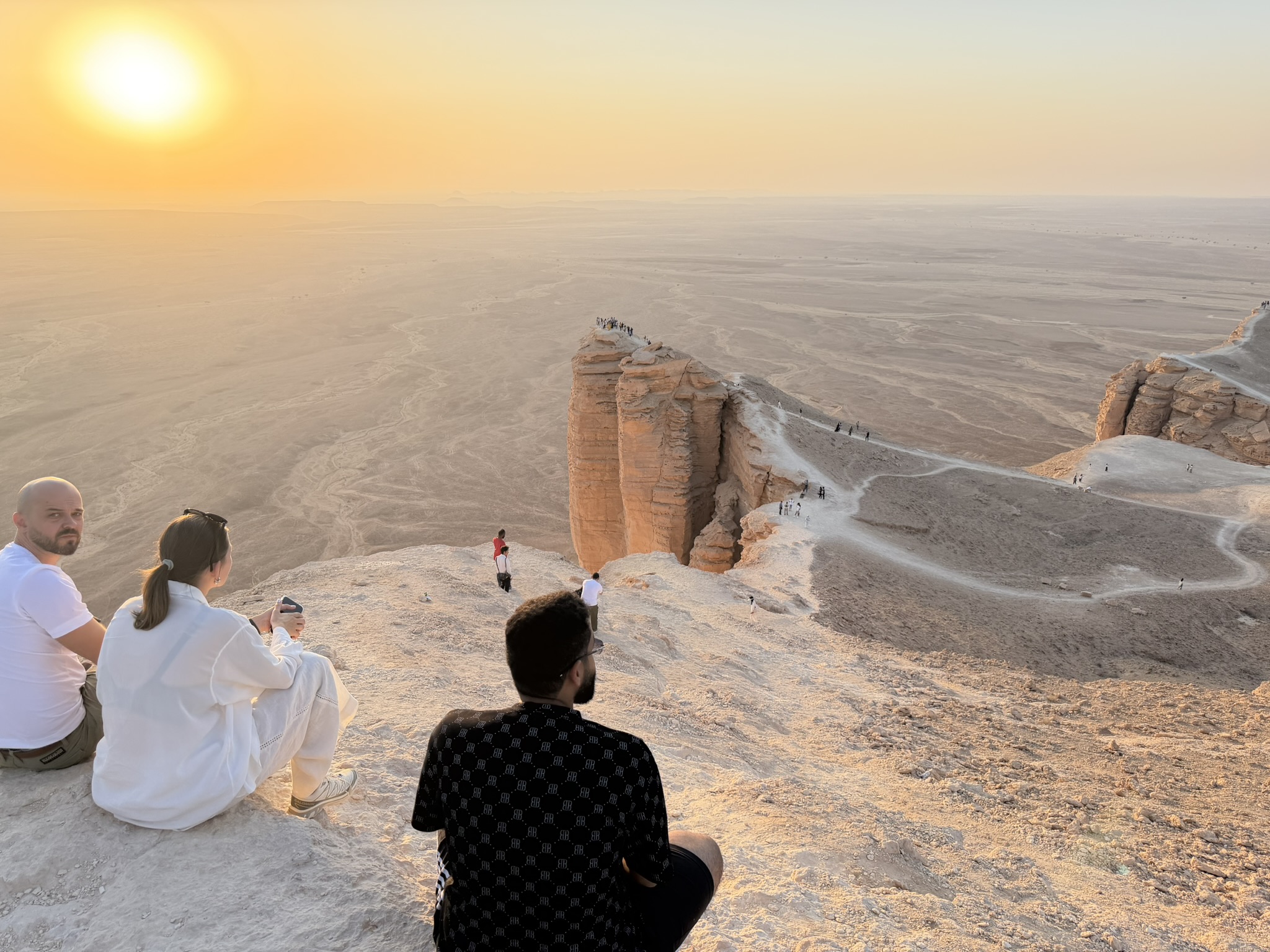
Standing at the edge, you begin to understand the scale of Saudi Arabia in a different way. The city, with all its ambition and energy, feels like just one layer of a much larger story. The vastness beyond it is humbling, almost disorienting in its simplicity. It's the kind of place that doesn't demand anything from you—just that you pause and take it in.
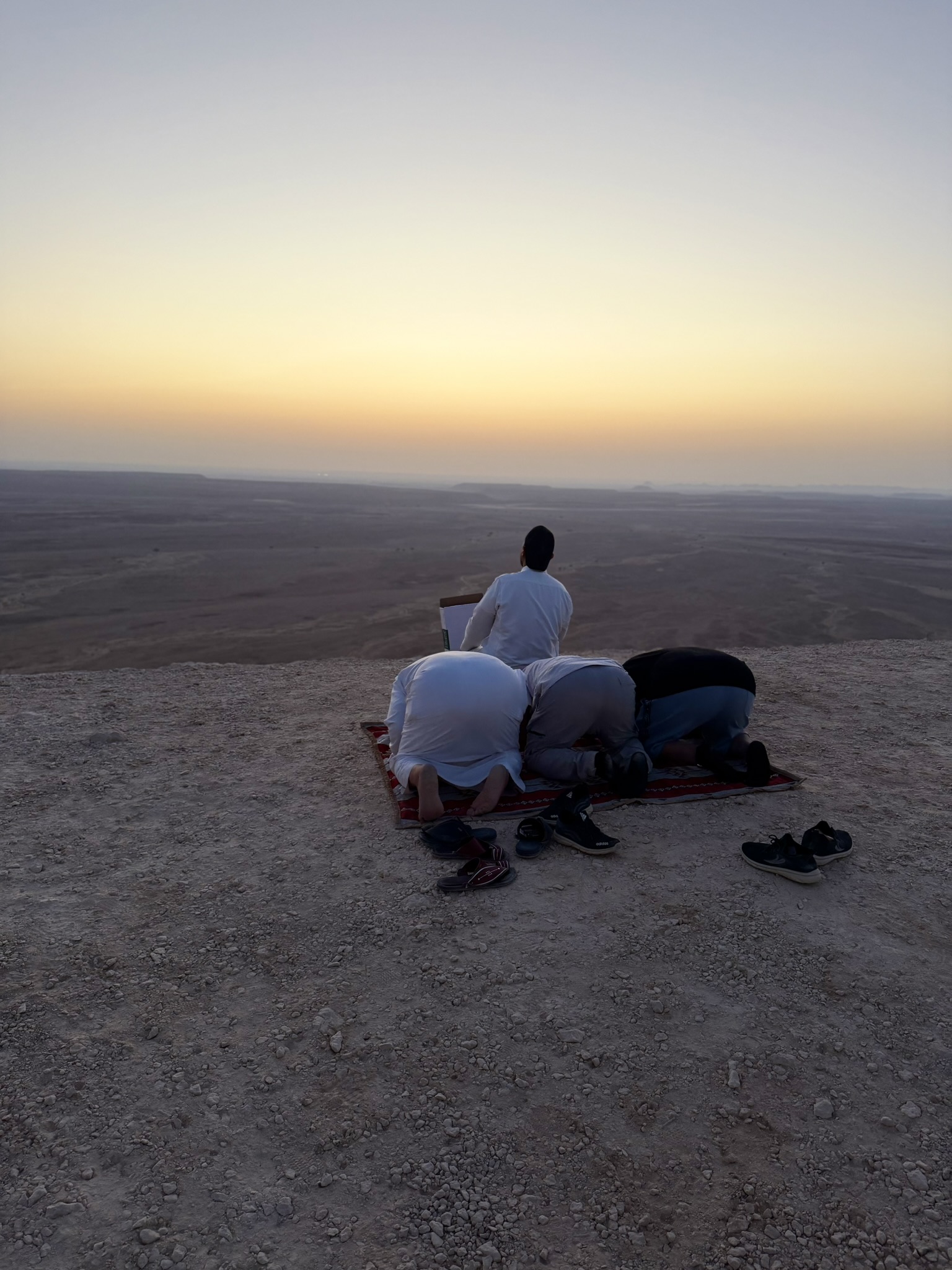
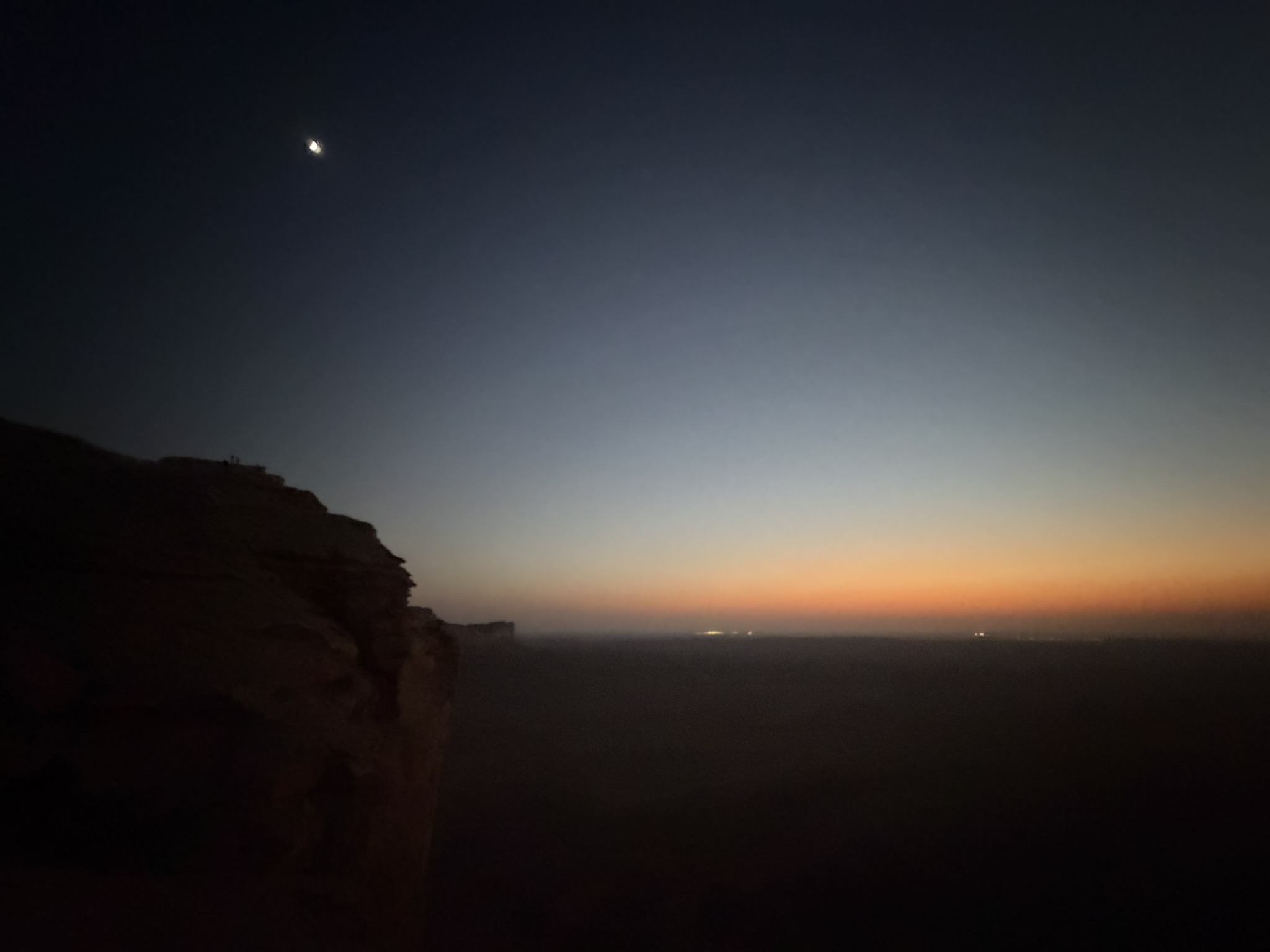
That's what makes Riyadh worth stopping for. It's not just a capital city—it's a study in contrast. Between modernity and tradition, ambition and heritage, urban life and open desert, Riyadh doesn't ask you to choose between worlds. It shows you how they coexist, often in the same moment, and invites you to experience both.