Saudi Arabia
Medina: Walking Through Faith, History, and Time
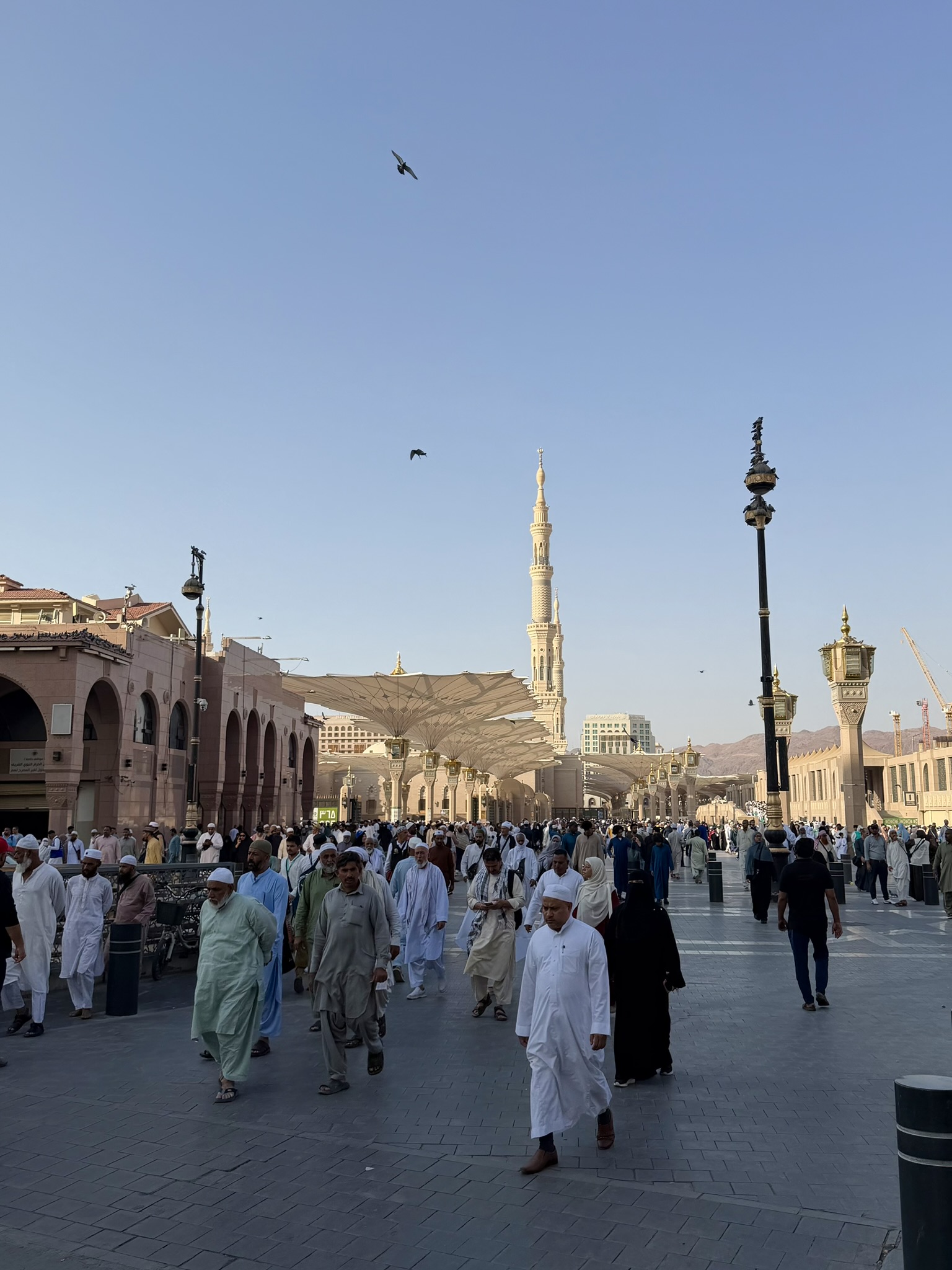
There are cities you visit—and then there are cities you feel.
Medina is the latter.
Unlike Mecca, the holiest city in Islam which remains restricted to Muslims, Medina opens its doors to non-Muslim visitors. And yet, stepping into it, you immediately sense that this is no ordinary destination. It is the second holiest city in Islam—a place where history isn't preserved behind glass, but lived, breathed, and walked.
I came here not just to see Medina, but to trace the footsteps of Prophet Muhammad (peace be upon him)—to move through the spaces where moments of faith, resilience, and transformation unfolded over 1,400 years ago.
Where It All Feels Personal
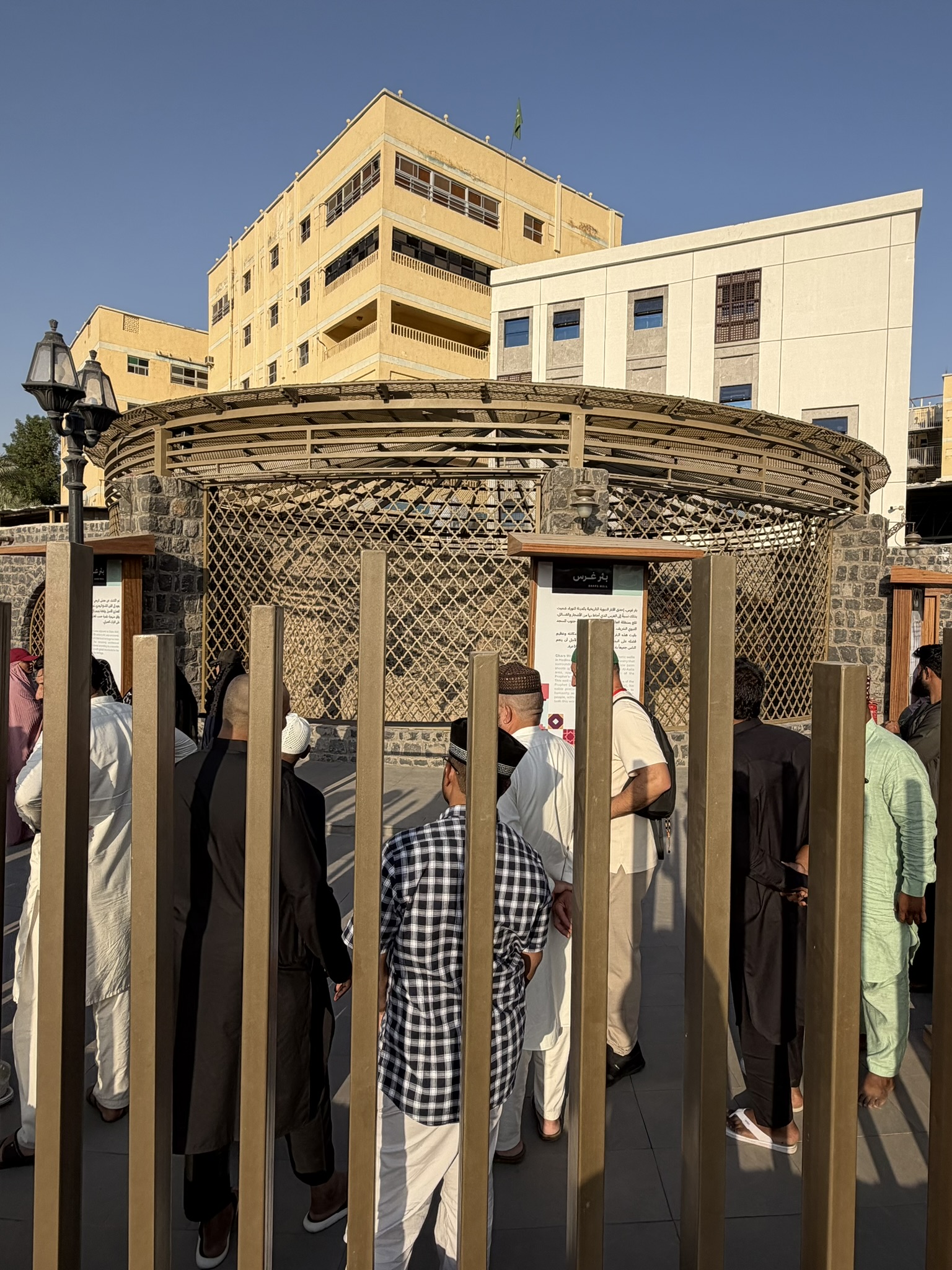
At Ghars Well, history feels intimate.
This modest well is believed to be where the Prophet drank water and performed wudu (ablution). Some narrations even say he wished for water from here to be used after his passing. Standing beside it, there's a quiet stillness—no grand architecture, no spectacle—just a sense of closeness to a life once lived with simplicity and intention.
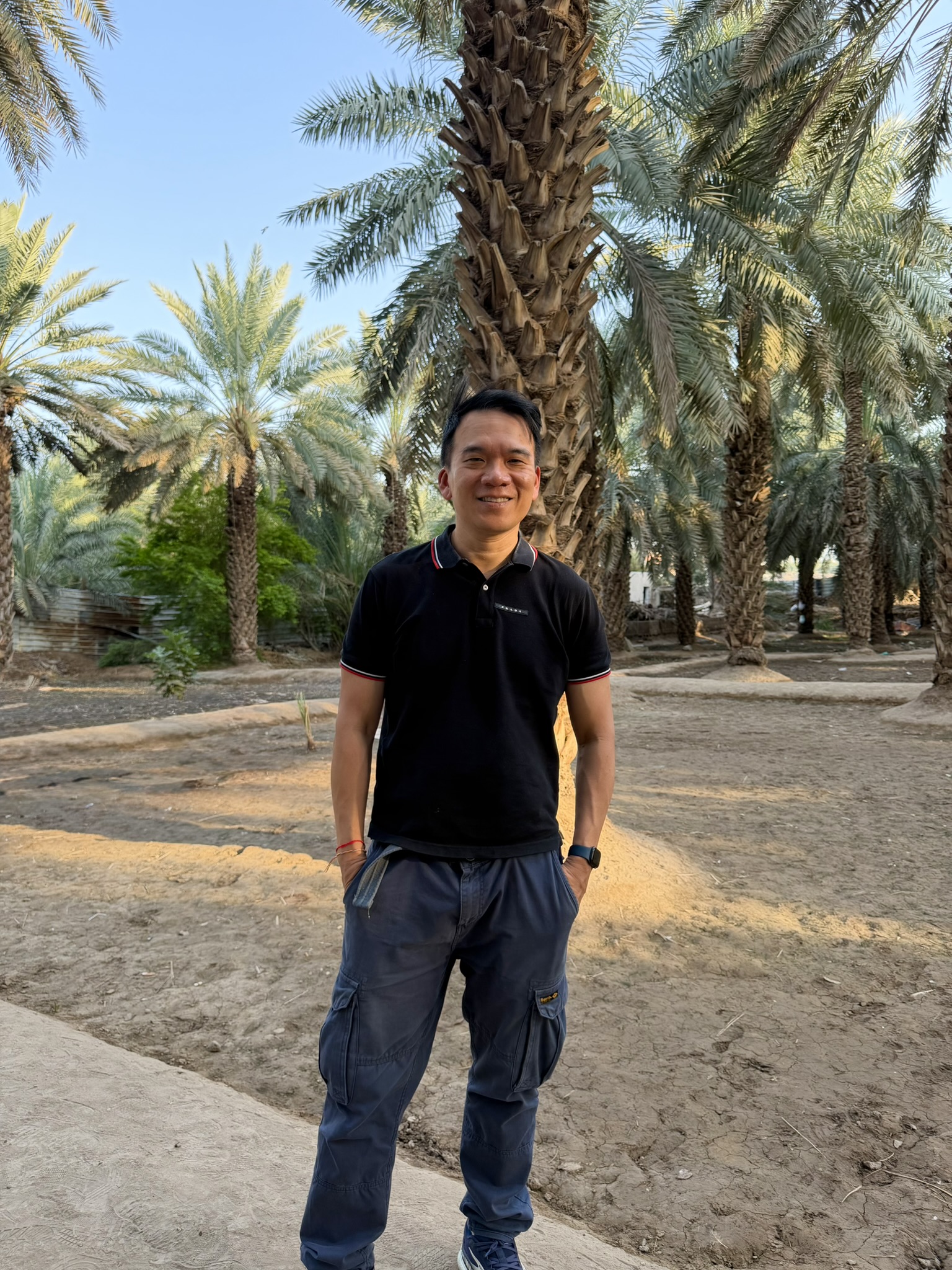
Not far away lies the Well of Salman al-Farsi, tied to one of the most remarkable companions of Islam, Salman al-Farsi. A Persian by origin, his journey to Islam was one of sacrifice, persistence, and unwavering belief. His suggestion to dig a trench during a time of crisis would later shape the outcome of a defining battle. The well and surrounding garden stand as quiet reminders of loyalty—not just to faith, but to the Prophet himself.
Where a Community Was Built
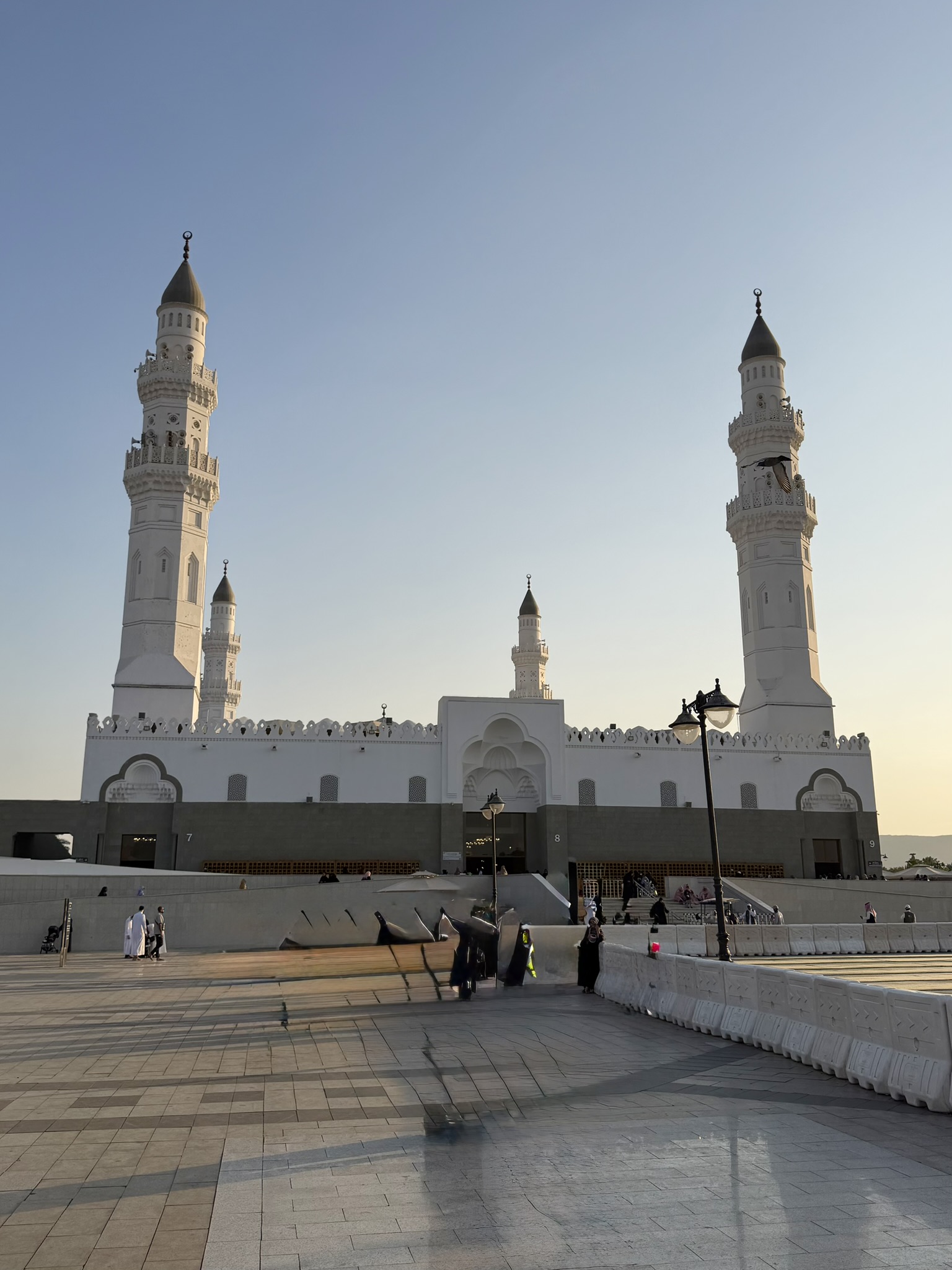
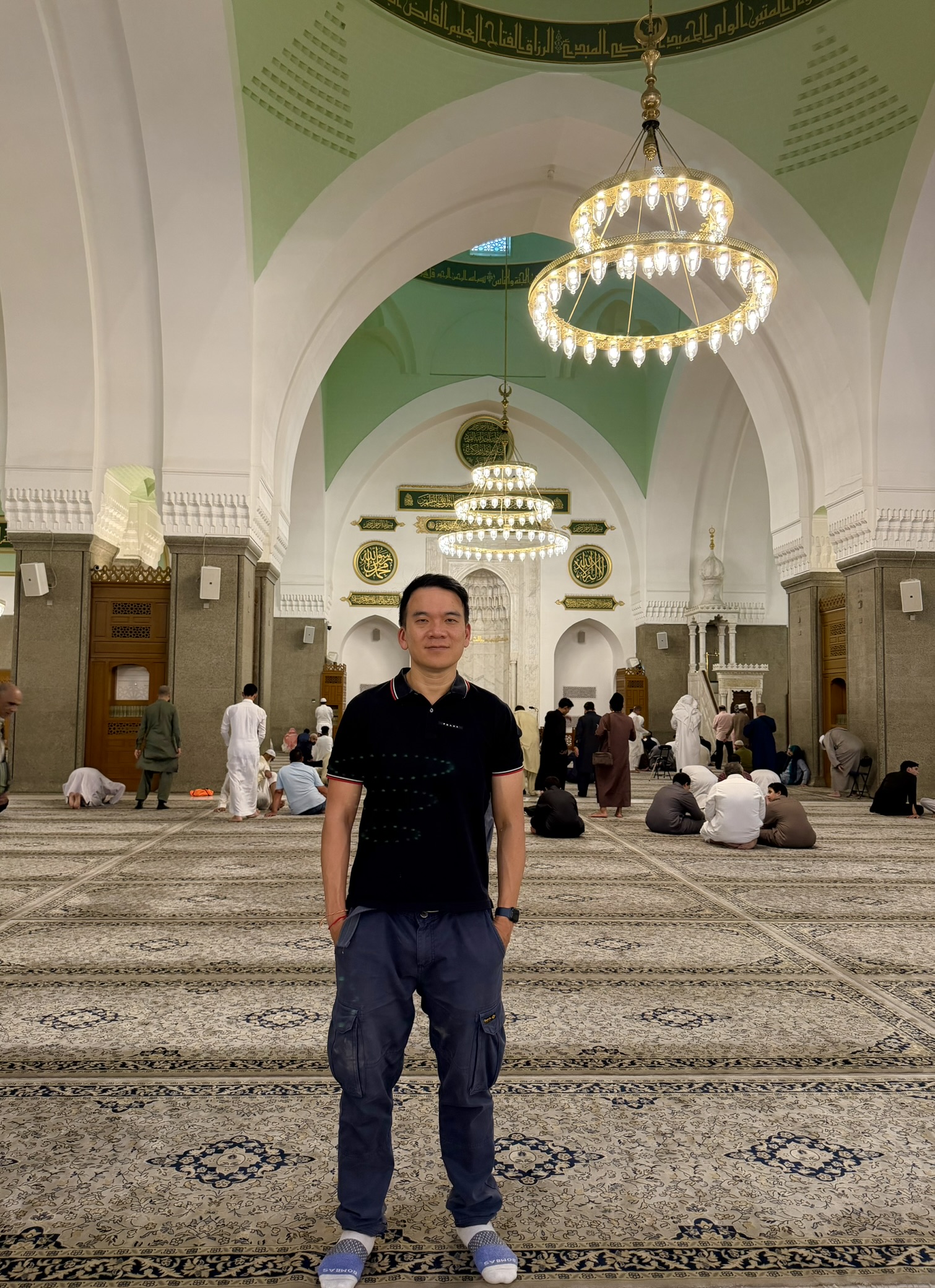
At Quba Mosque, the story of Medina truly begins.
This is the first mosque ever built in Islam, established by the Prophet upon his arrival in the city. Today, it stands serene and luminous, yet its significance runs deep—praying here, even two simple units of prayer, is said to carry the reward of an Umrah. Whether one comes with faith or curiosity, there's an undeniable sense that this is where something foundational began.
Where Faith Was Tested
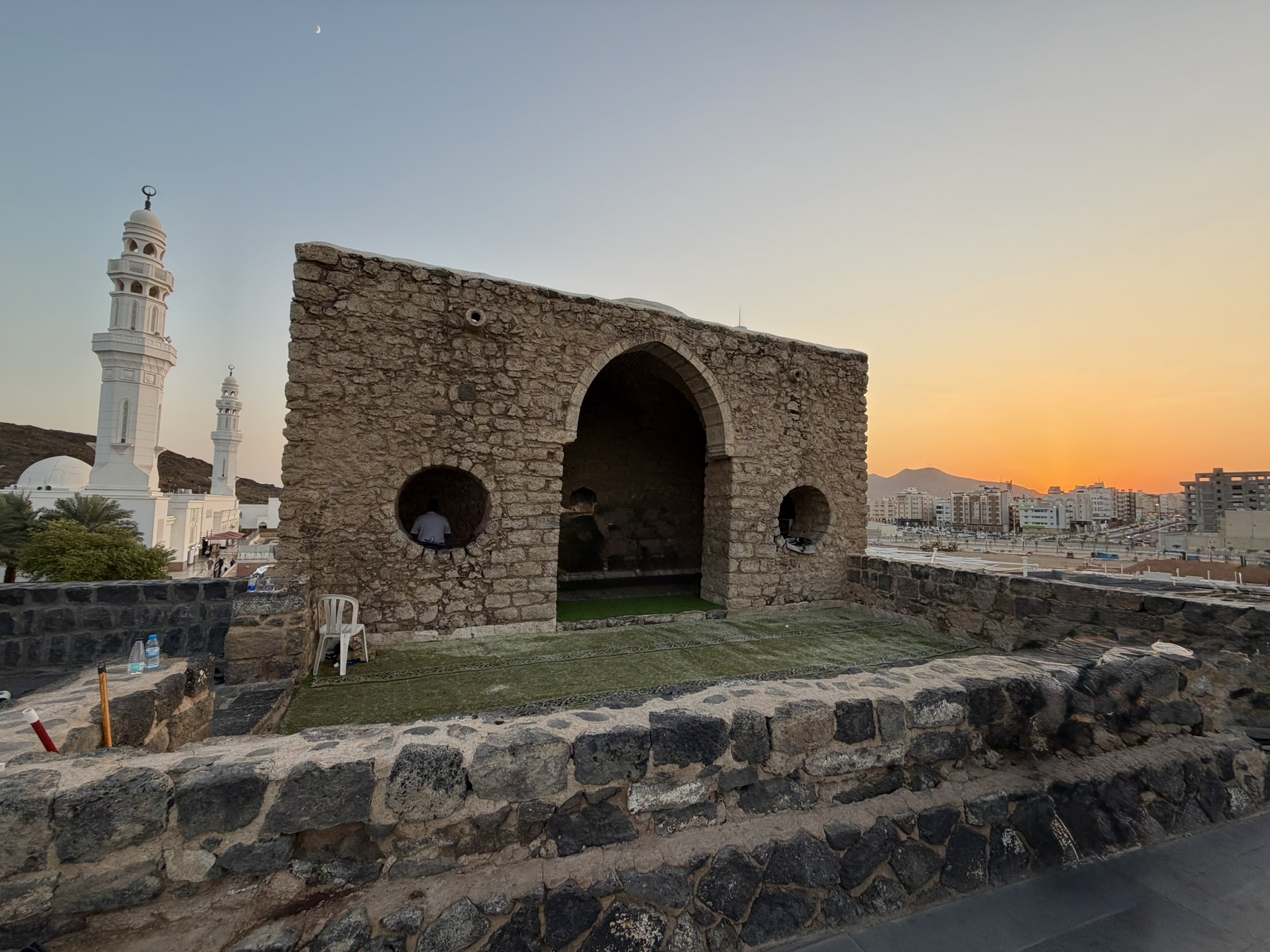
History intensifies around the area known as the Seven Mosques, tied to the events of the Battle of the Trench.
Among them, Masjid Fatah holds particular weight. It is believed that the Prophet prayed here during one of the most precarious moments in early Islamic history, seeking victory against overwhelming odds. That victory came—not just through strategy, but through faith and perseverance.
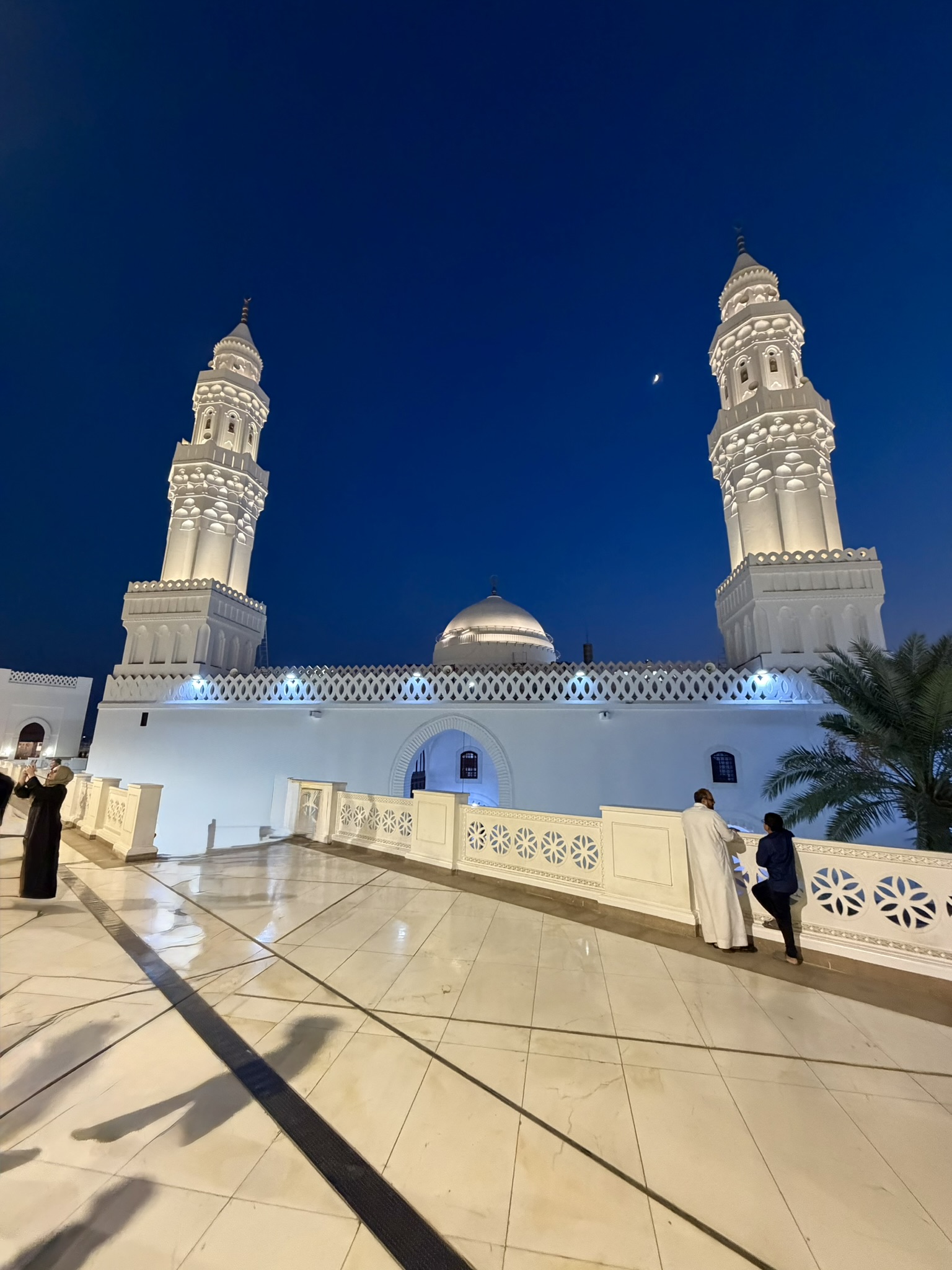
A short distance away stands Masjid al-Qiblatayn, the "Mosque of Two Qiblas." It marks a moment of profound shift, when the direction of prayer changed mid-congregation—from Jerusalem to Mecca. It's a reminder that even within faith, there are turning points that redefine identity and direction.
Where Sacrifice Is Remembered
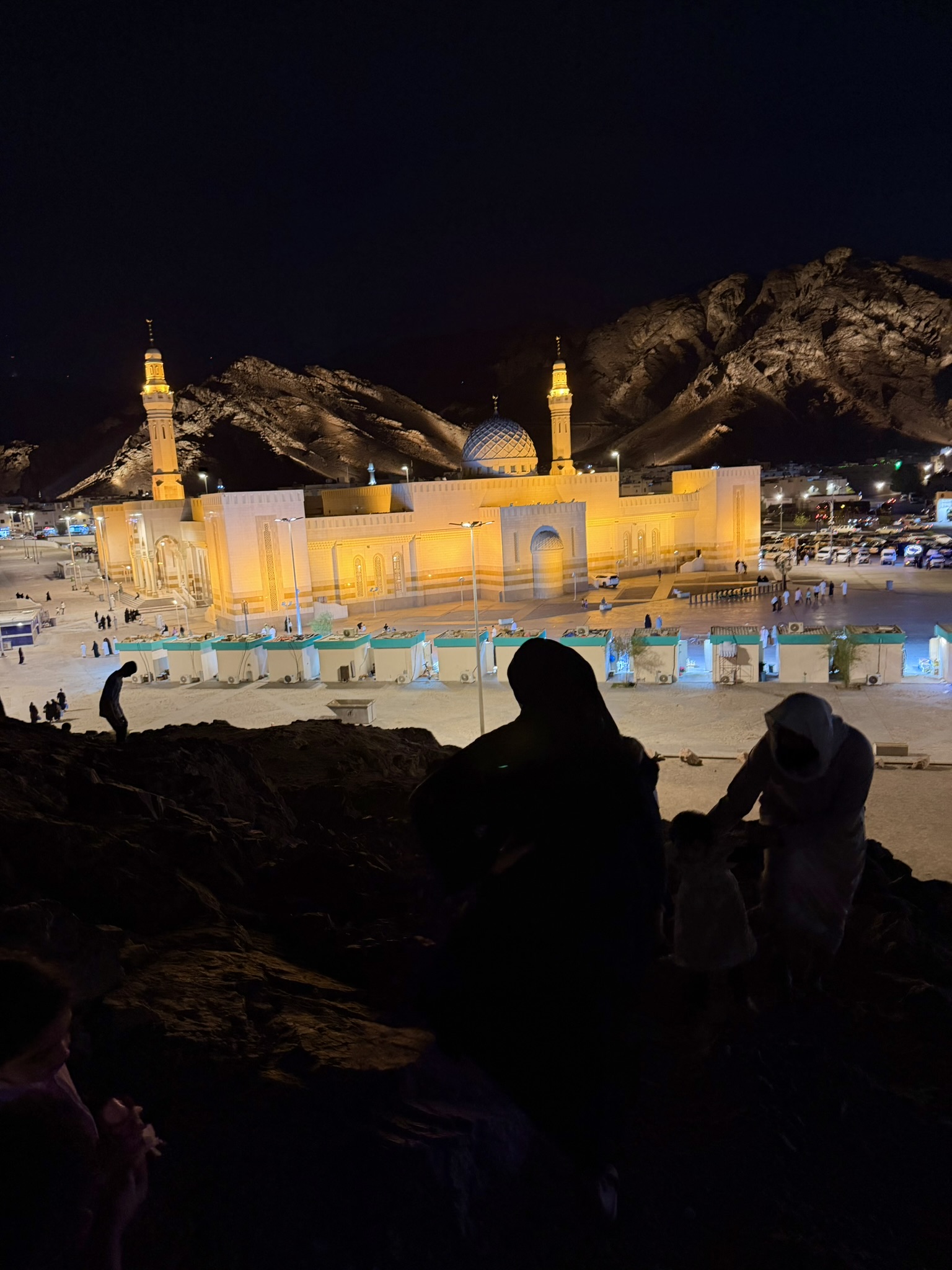
At the base of Mount Uhud, the tone becomes solemn.
This was the site of the Battle of Uhud, one of the most significant and difficult moments in early Islamic history. Here lie the graves of 70 martyrs, including Hamza ibn Abdul-Muttalib, the Prophet's beloved uncle, and Mus'ab ibn Umair.
Above, on Mount Rumah, 50 archers were once stationed with a single instruction—to hold their position. Their decision to leave that post altered the course of the battle, turning near victory into loss. Standing there, overlooking the valley, it's impossible not to reflect on discipline, consequence, and the weight of decisions.
Where It All Comes Together
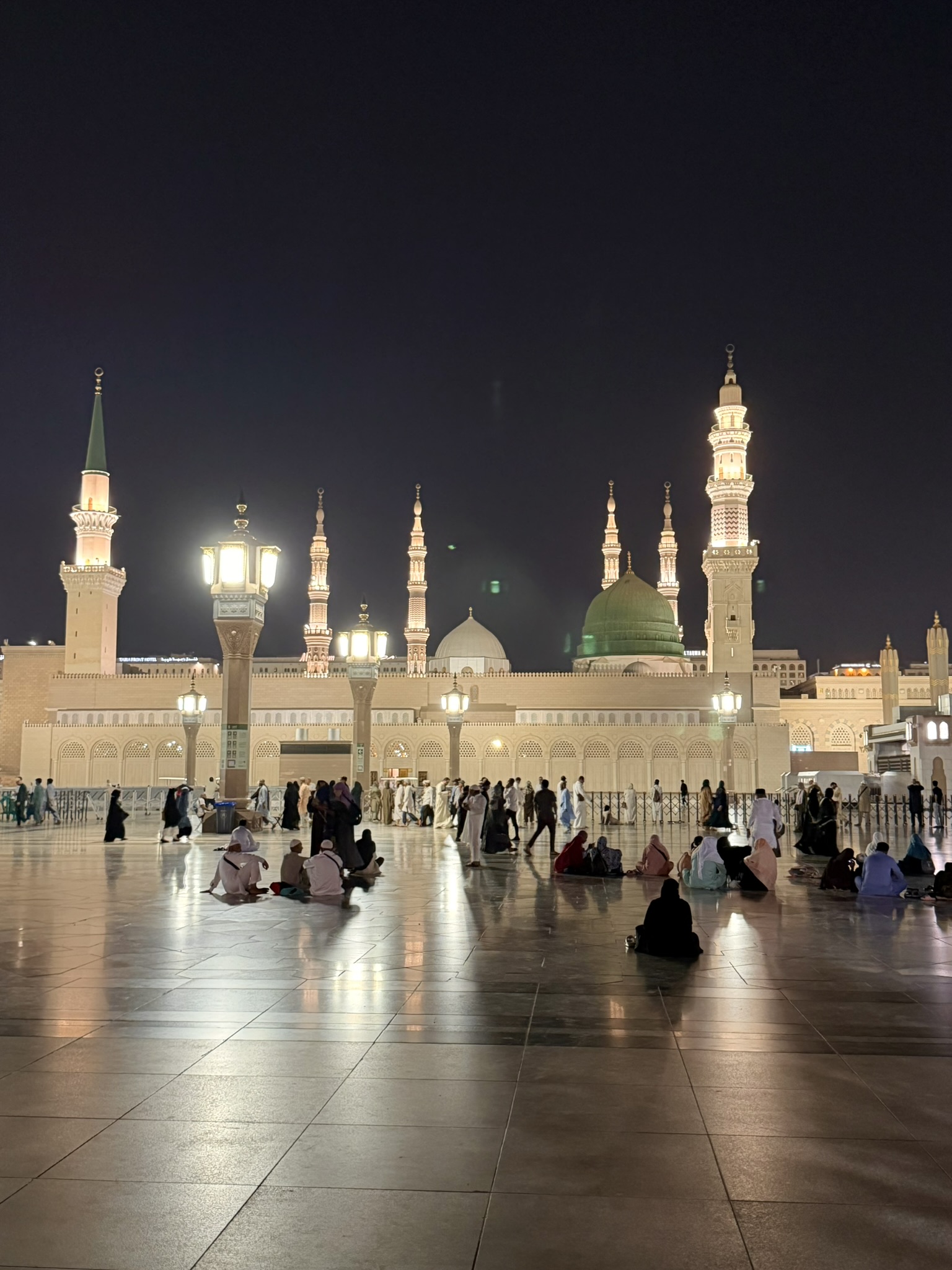
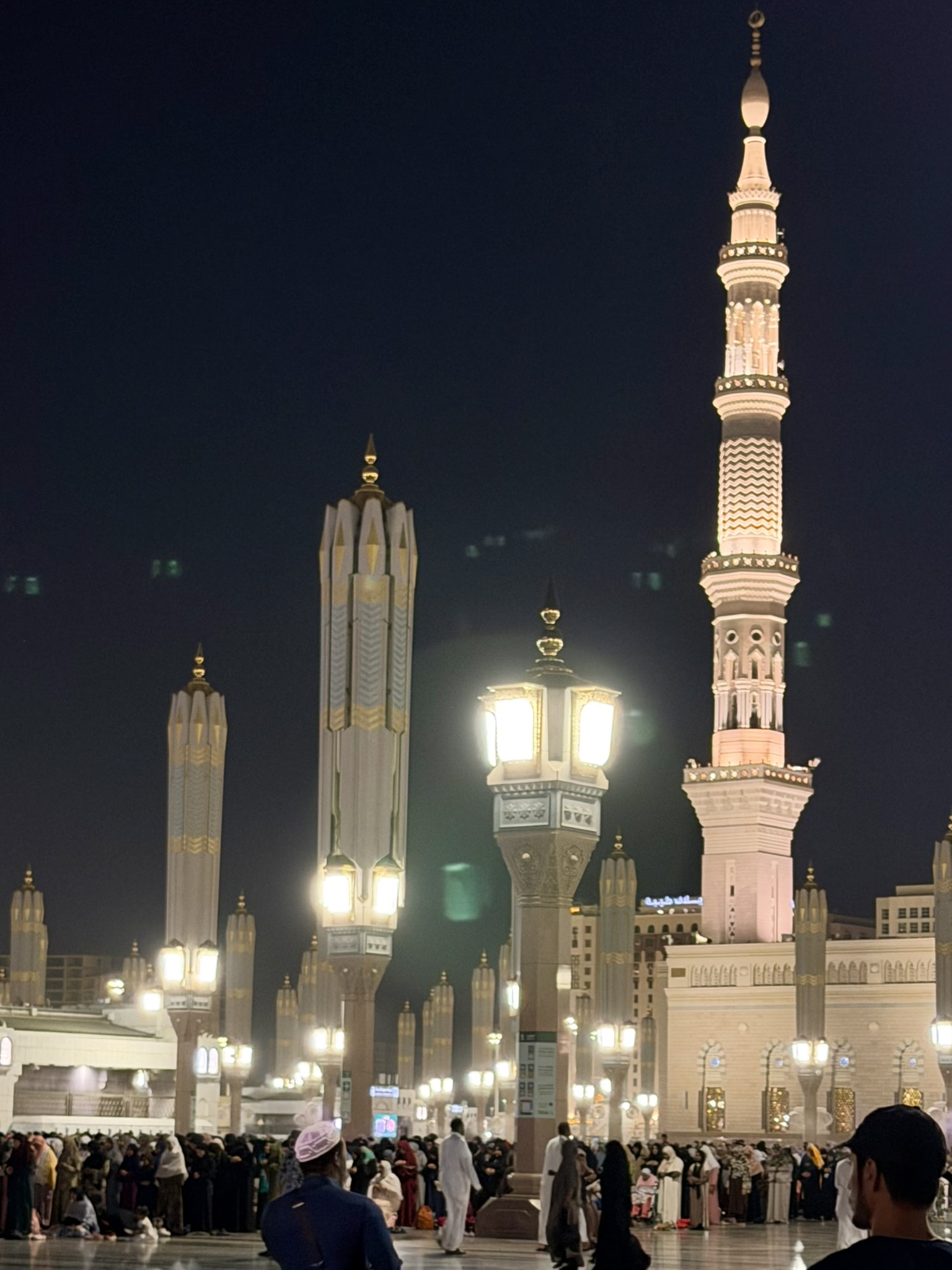
And then, finally, there is Al-Masjid an-Nabawi.
The Prophet's Mosque.
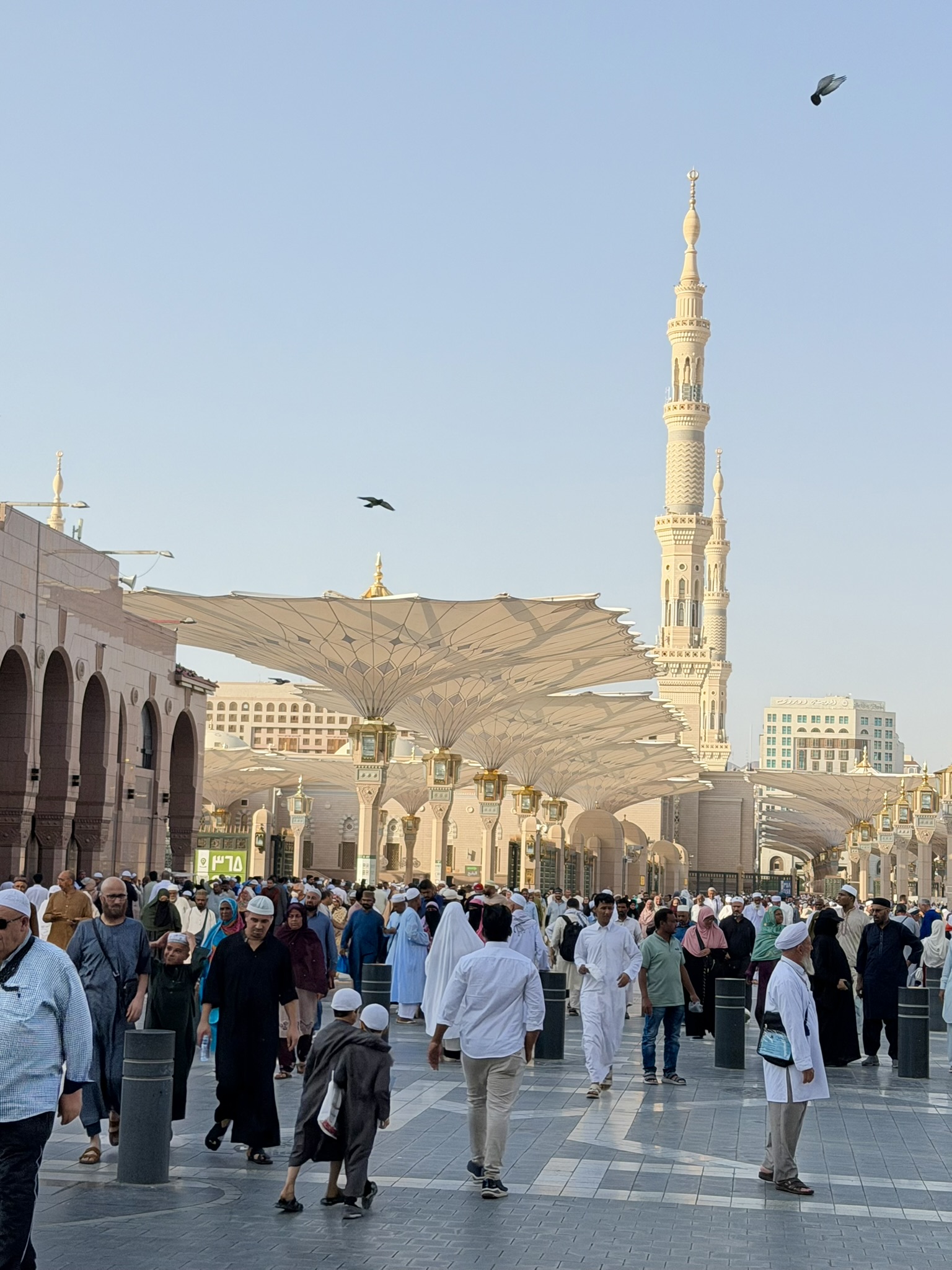
From above, you would see a sea of humanity—thousands moving in rhythm, gathering in prayer, then dispersing, only for the cycle to begin again. It is here that the Prophet is laid to rest. The energy is unlike anywhere else: deeply spiritual, yet profoundly human.
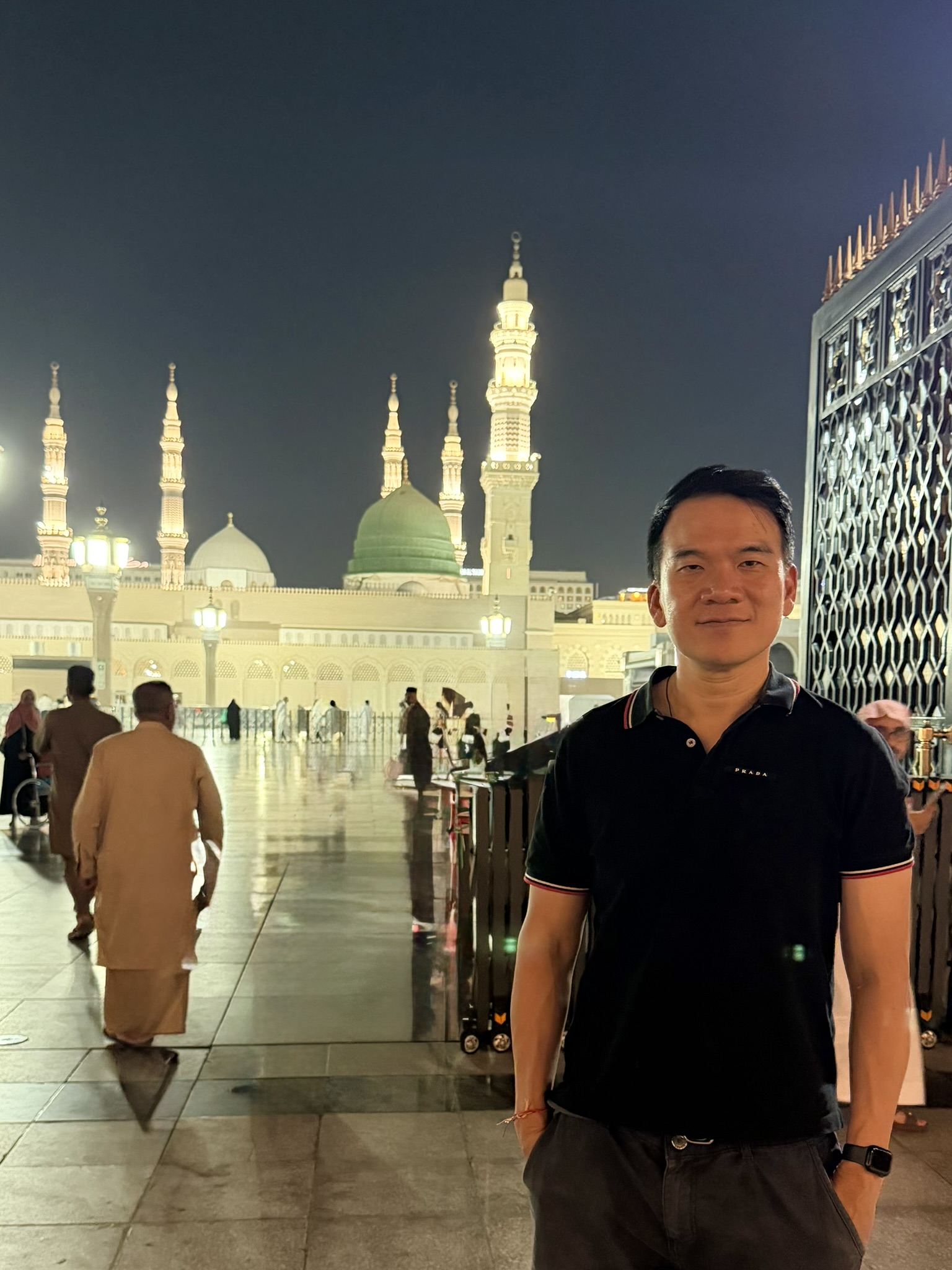
No matter where your journey in Medina begins, it inevitably leads here.
A City That Stays With You
Medina is not about ticking off landmarks.
It's about moving through a living narrative—of faith, struggle, community, and devotion. Each site adds a layer, but together they form something far greater: a city that invites reflection, regardless of where you come from or what you believe.
You don't just visit Medina.
You walk through it—and somehow, it stays with you.